
Original fictional story. The characters and events are invented; images are AI-generated illustrations.
PART ONE — THE ENVELOPE
The envelope arrived at 10:17 on a Tuesday, between a meeting about parking spaces and a call about a delayed construction permit. Julian Mercer was forty-three, an architect known for rescuing difficult projects, and the receptionist had learned to recognize the particular expression he wore when another urgent problem landed on his desk. This time there was no client logo. Only his home address, written in familiar blue ink, and a folded yellow note attached to the outside: Please read everything before you call. Julian knew the handwriting before he opened the flap. It belonged to his wife, Claire.
He had expected something like this for months, though not in the middle of the office he had spent years building. Claire had moved into the spare bedroom in February. By summer, they could make a grocery list without arguing, yet barely managed to discuss anything more personal than the electricity bill. She said he was never fully present; he answered that work paid for the house, the lessons, and the life they had chosen. Neither description was false, but neither was the conversation they needed. He had learned to win arguments with numbers, which was a terrible way to speak to someone asking whether she still mattered.
Inside were ordinary legal forms: a draft agreement to separate finances, a proposed timetable for their son's school weeks, and a list of household items neither of them particularly wanted to fight over. None of that shocked Julian. What stopped him was a pale sheet at the back, printed from a school computer, with their fifteen-year-old son's name at the top. There were no grades. It was an application for a two-week summer program in documentary photography, scheduled for the same period as Julian's largest project presentation. Across the bottom, a box had been marked: Parent or guardian permission declined.
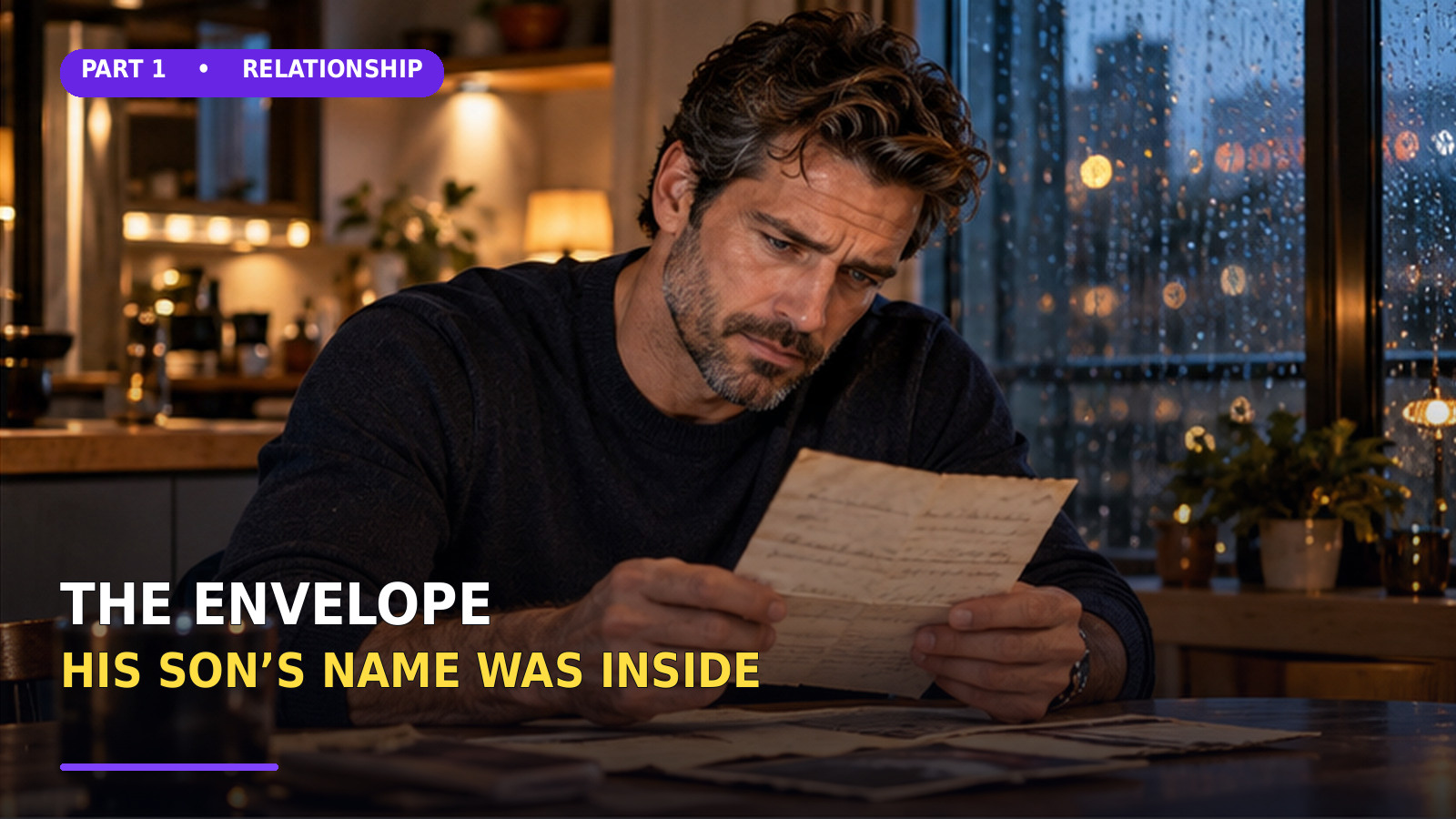
Julian stared at the date. He remembered signing a form at breakfast while answering a call through an earpiece. He thought it had been permission for a museum trip. He had barely glanced at the paper. But the handwritten note beside the box was not Claire's. It said, Dad says there is no point taking pictures if you cannot earn a living doing it. Julian felt his face grow hot. He had said those words, casually, months earlier when his son Owen showed him a photograph of an empty bus stop after rain. He had meant to sound practical. Apparently he had sounded final.
The first instinct was defense. Julian had never forbidden the boy to hold a camera. He had bought Owen his first lens, paid for an editing course, and driven him to a sunrise shoot before an early meeting. Surely one careless sentence could not cancel all of that. Yet as he searched his memory he found a pattern he disliked: the word later. He would look at the photographs later, talk about the exhibition later, attend the school meeting later. Owen had stopped asking. The application did not tell the whole history, but its blank signature line revealed something that hurt more than an angry accusation: his son had expected no answer at all.
At lunch, Julian opened his messages with Owen. The thread was a quiet museum of missed opportunities. Three weeks earlier Owen had sent a picture of a cyclist passing beneath a bridge, followed by Can you see the light? Julian had replied after midnight, Nice one. Before that was a link to a community exhibition. He had promised to attend. The event was last Saturday, when he had worked through dinner. Owen had not reminded him. Children often discover that silence is easier than disappointment long before adults notice what it means. Julian set his phone face down and tried to remember the last full conversation he had shared with his son.
He called Claire, then stopped the call before it rang. The note had asked him to read everything. There was still another folded page, tucked behind the legal documents so carefully he might have missed it. In a block of awkward handwriting, Owen had written a personal statement for the photography program. Most of it described streetlights, waiting rooms, strangers on buses, and how an ordinary image could tell someone they were not invisible. Near the end came a paragraph about his father. Julian had to read it twice. The boy had not written that his dad was cruel or uncaring. He had written that his father could design beautiful rooms for strangers but never seemed to have time to sit in one with him.
The sentence stayed with Julian long after the office lights changed to evening mode. It was easier to take criticism from a client who disliked a building than from a child who missed a parent sitting beside him. He closed the drawings on his screen and told his assistant he was leaving. She looked surprised. He looked surprised too. When he reached the street, he still did not know whether the marriage could be repaired, and he refused to turn one afternoon into a heroic gesture. But he knew where he would go first: not to Claire's workplace to demand explanations, and not to the lawyers. He would go home and ask his son about the pictures.