

Original fictional story. The characters and events are invented; images are AI-generated illustrations.
PART ONE — THE SUBJECT LINE
The email arrived at 8:03 on a Monday morning, just as Thomas Avery finished ironing his daughter's school shirt. The subject line was neutral: Documents for review. The attachment was not. After fourteen years of marriage, his wife had asked an attorney to prepare a proposed separation agreement. Thomas stood beside the kitchen counter while the toaster clicked behind him, reading sentences that described their life as if it were a collection of furniture, income statements, and calendar entries. He was forty-six, a restaurant manager accustomed to difficult mornings. None of those shifts had trained him for the feeling of seeing his marriage reduced to headings.
His wife, Natalie, was already at work. Their thirteen-year-old daughter, Mia, was looking for a missing textbook upstairs. Thomas closed the email before she came down. He did not want her to discover the news from his expression or through words he might regret. Natalie had mentioned separation during an argument two weeks earlier, but he had believed they were still discussing it. The forms suggested she had moved further ahead. In the section about living arrangements, she proposed that Thomas leave their house within thirty days. A footnote said the timetable was flexible if both parties agreed. He reread the note until the words blurred.
He wanted to reply immediately. He wanted to type that she had no right to decide everything, that he had worked weekends for years, that he had missed birthdays because the restaurant needed a manager, and that she could at least have told him face to face. He opened a blank message and began three angry sentences. Then he deleted them. His daughter entered the kitchen carrying the textbook, thanked him for breakfast, and asked whether he could attend her music rehearsal on Thursday. Thomas said yes. He looked at the calendar before promising. There was no meeting he could not rearrange this time.
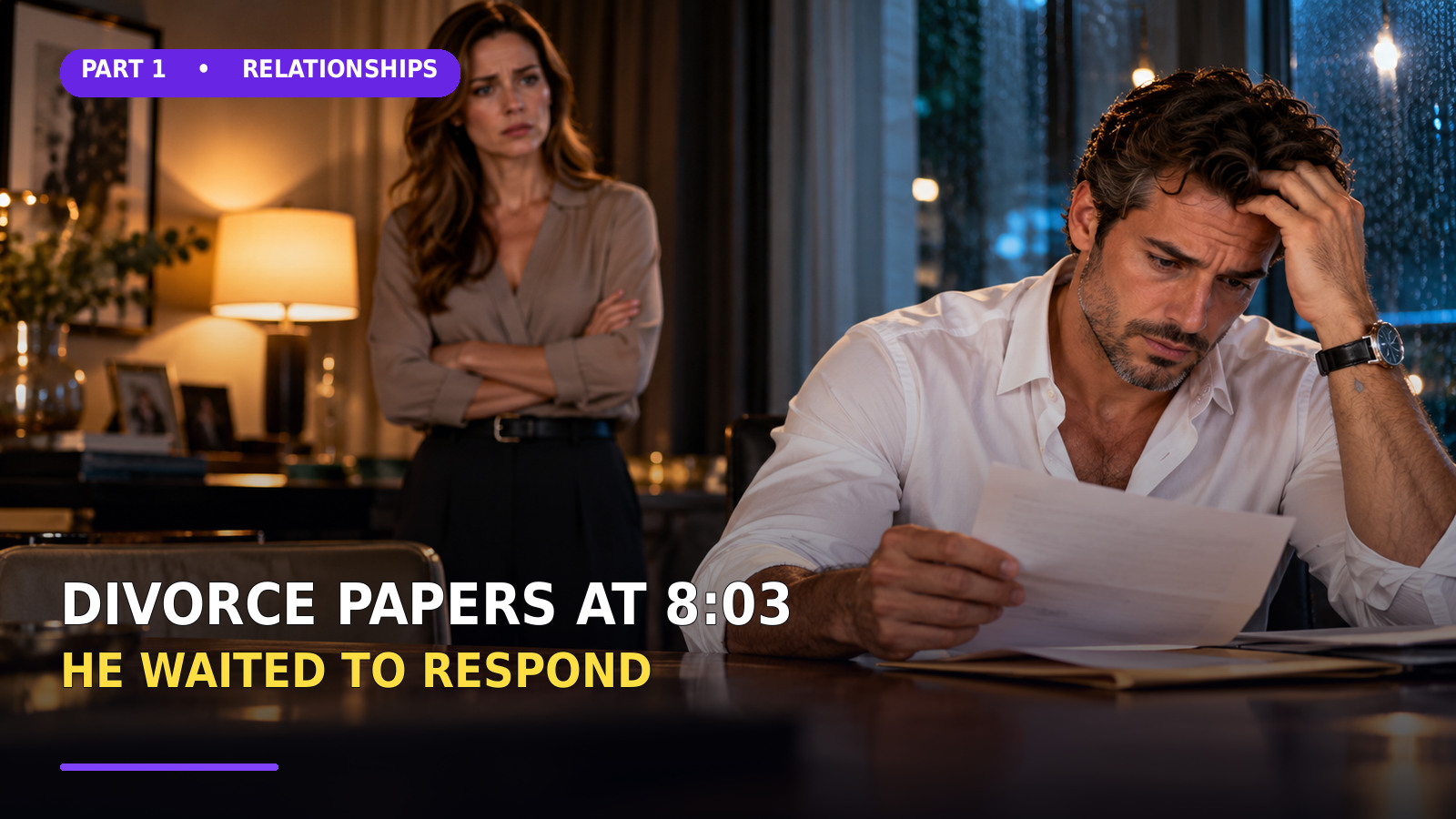
Once Mia had left, Thomas read the proposed agreement more carefully. There were provisions about property, accounts, parenting schedules, and a business loan he recognized. Three years earlier the couple had used their savings to help a neighborhood restaurant survive a difficult winter. Thomas worked there as manager, but the legal ownership and lending arrangements were complicated. Natalie had helped with bookkeeping during the first year and then returned to her own job as a graphic designer. The marriage had carried the stress of the business even after they stopped talking openly about it. The forms did not answer whether Natalie wanted fairness, distance, or simply an end to years of uncertainty.
At noon his phone rang. It was his sister, who had heard from a mutual friend that Natalie was considering leaving. She wanted to know whether Thomas was going to fight. The word made him uneasy. He said the situation was private and that he was getting professional advice before making decisions. His sister offered a place to stay if he needed one. He thanked her, then asked her not to discuss the matter with Mia. He was beginning to understand that the hardest part of separation might not be the paperwork. It might be making sure everyone around them did not turn grief into a public contest.
Thomas took the afternoon off and walked along the river instead of going home. He passed couples eating lunch, delivery cyclists weaving between traffic, and an older man feeding pigeons beside a bench. His first instinct had been to examine Natalie's actions for evidence she was unfair. Now he tried something harder: recalling what she had actually said during the last year. She had complained that they only discussed logistics. She had asked him to take a weekend away without checking work messages. He had promised and then cancelled twice. He remembered those things with shame, but also recalled feeling alone when the restaurant nearly closed. Two people could be exhausted in different ways without either becoming the villain of the story.
At four he called a family-law attorney and arranged a consultation. He asked about how to review proposed agreements, protect Mia from conflict, and gather accurate information about their finances. The attorney explained that a draft was not a final order and warned against signing documents or moving out impulsively without understanding the consequences in his jurisdiction. Thomas wrote down the advice. He also contacted the restaurant's accountant for a current summary of the business loan. If they were going to separate, he wanted the process to begin with facts rather than assumptions. The plan gave him something steady to hold.
By evening, the house was quiet. Mia had gone to a friend's home to work on a school project. Thomas finally opened his reply to Natalie. He wrote that he had received the papers and would review them with an attorney. He would not argue about their marriage by email, but he wanted them to discuss how to tell Mia together. Then he added one question he had been afraid to ask: Before we make decisions about where our daughter lives, can we spend one evening hearing what she needs rather than assuming we already know? He sent the message at 7:41. A few minutes later, Natalie replied: Yes. We owe her that.