
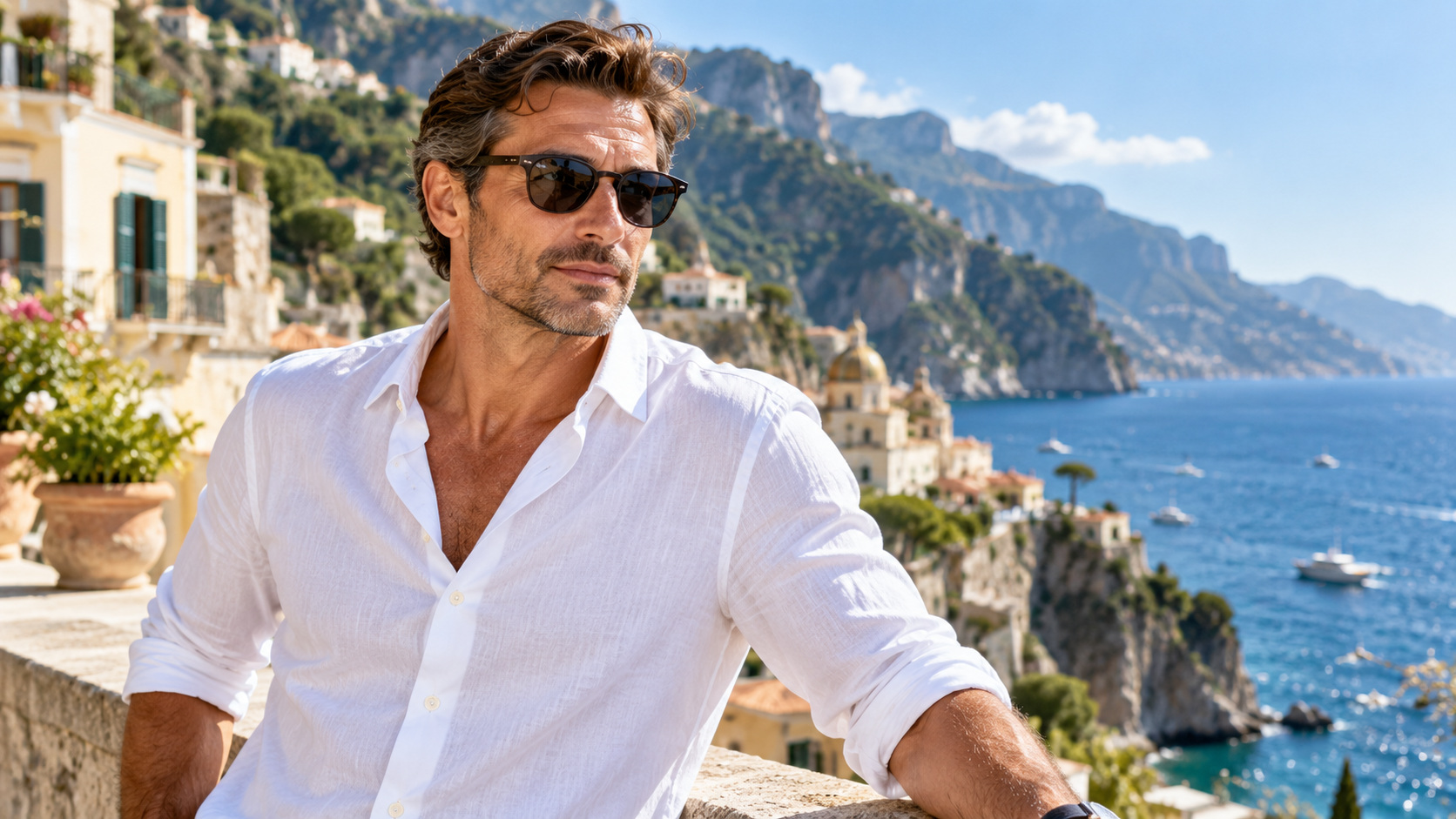
Illustrated editorial fiction: the character and events in this article are fictional. The portraits are AI-generated.
The ticket he nearly cancelled
Owen had always traveled with someone else. There were family holidays when he was younger, business trips arranged by colleagues, and weekends planned around partners or friends. At fifty, he found himself holding a ticket for a short coastal trip with nobody beside him. The idea had sounded wonderful when he booked it. Two days later it began to feel uncomfortable. He imagined arriving at a restaurant alone, sitting awkwardly at breakfast and walking through beautiful places with no one to confirm that they were beautiful. He considered cancelling several times.
The discomfort was not simply fear of travel. He knew how to book a room, read a map and catch a train. What unsettled him was the silence he expected to meet. In daily life he was rarely alone for long, yet much of his time still felt oddly unclaimed. He had spent years making decisions around other people's schedules. The trip was the first thing he had arranged purely because he wanted to go. That freedom was attractive in theory. In practice, choosing everything for himself felt almost embarrassingly unfamiliar.
In this fictional editorial story, Owen eventually packed one small bag. He carried comfortable shoes, a light jacket, copies of important travel information and a paperback he had been meaning to read. He chose a destination with straightforward transport, familiar accommodation options and activities that did not require a group. This was not a test of bravery in an extreme environment. He was interested in a good first experience. Keeping the logistics manageable gave him more room to enjoy what the journey was supposed to offer.
On the first afternoon, he arrived too early to check in and walked along the waterfront. The air smelled of salt, someone was playing music near a café, and couples moved past him with shopping bags and dogs. For a moment he felt painfully visible, as if everyone could see that he was alone. Then he noticed that almost nobody was paying attention. People were occupied with their own plans. He bought a coffee, sat facing the water and realized that the uneasiness was not a warning. It was simply a new feeling.
An unfamiliar city, a familiar face
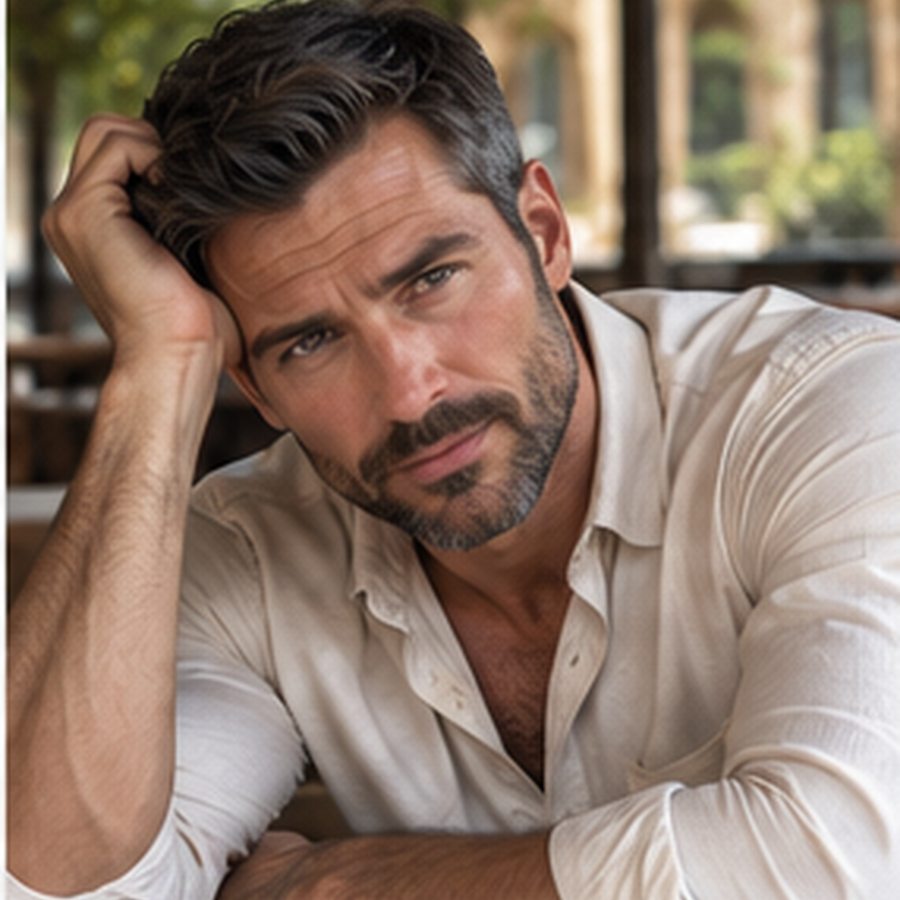
Owen started taking photographs, something he had usually left to other people. He captured doorways, rooftops and the changing color of the sea. In one photograph, a shop window reflected his face and the street behind him. He almost deleted it because it was not perfectly composed. Instead, he kept it. The man in the picture looked older than the man he remembered from his thirties, but not diminished. His hair showed silver at the sides, his clothes were simple and he seemed engaged with the world around him.
The first dinner alone was easier than expected. He chose a casual restaurant and brought his book, but rarely opened it. He watched the room, spoke briefly with a server and enjoyed a meal without checking whether someone else liked the choice. He did not suddenly become an extrovert, nor did he need to. A successful solo trip does not depend on talking to strangers at every opportunity. Some travelers value conversation; others value solitude. The meaningful part is having permission to choose without treating either preference as a failure.
The following morning he joined a short guided walk. It was a small, public group led by a local guide, and Owen found conversation easier when everyone was looking at the same buildings and asking the same questions. He learned a little local history and discovered a street he might otherwise have missed. Group activities provided a useful middle ground: he had company for a few hours without giving up control of the day. By lunchtime he was wandering again, free to sit down whenever he wanted.
Travel safety remained part of the experience rather than an afterthought. Owen kept track of his route, checked local transport times, stored copies of his documents securely and shared his broad itinerary with someone he trusted. He avoided displaying valuables unnecessarily and made sure he could get back to his accommodation after dark. Confidence was not recklessness. It was the ability to enjoy a new environment while making sensible decisions. That distinction made the trip feel more grown-up than any dramatic travel challenge ever could.
Before leaving, Owen wrote a short checklist that balanced freedom with preparation: confirmed accommodation, reliable arrival transport, emergency contacts, payment options, weather-appropriate clothing and a rough plan for the first evening. He intentionally left the second afternoon open. Having those basics settled made the unfamiliar parts enjoyable rather than unnecessarily stressful. For many travelers, especially on a first solo trip, confidence grows from taking manageable risks within a clear safety plan. There is no prize for making a journey harder than it needs to be.