PART THREE — THE REPLY HE NEVER EXPECTED
Two months later, the couple had reached tentative agreements on many practical details but not all of them. They were working with appropriate professionals, and the final arrangements would depend on the process where they lived. Thomas moved into a nearby rental on a schedule designed to minimize disruption for Mia. He stocked the kitchen with familiar breakfast foods and made space for her instrument. When she visited for the first time, she inspected the room, asked whether she could choose the curtains, and declared that the sofa looked like it belonged to a dentist. Thomas laughed so hard he nearly dropped a box.
The apartment sometimes felt painfully quiet. On evenings without Mia, Thomas ate dinner at the counter and resisted the impulse to fill the silence with extra restaurant shifts. He reconnected with friends he had ignored and began going to a weekly walking group. These were not tricks to become irresistible after divorce; he simply needed a life that did not revolve around work or conflict. He learned to cook meals that were not restaurant food, bought a plant he nearly killed, and made a habit of checking in with his mother. Small routines steadied him when legal paperwork and unanswered questions became overwhelming.
Natalie had a different adjustment. Without Thomas in the house, she discovered that some responsibilities he had carried were invisible to her: repairs, car maintenance, and the administrative calls that arrived at inconvenient hours. Thomas similarly discovered how much planning she had done for family birthdays, school supplies, and appointments. They did not compete over who had suffered more. They began writing down the responsibilities they needed to share fairly, including costs, transport, and decisions about Mia's education. The list was imperfect, but it prevented the same old assumptions from quietly returning under a new address.
One Saturday, Mia told Thomas she had invited both parents to her spring recital. She watched his reaction closely. He said he would be there and asked what time it started. Natalie arrived separately, and they sat a few seats apart. After the performance, Mia waved at both of them from the stage. Thomas felt a sudden ache for the family photograph he had imagined taking that day, all three of them smiling under the theater lights. Then Mia ran toward them and asked for exactly that picture. Natalie hesitated, then stood beside him. The photograph was ordinary and a little awkward. Mia loved it.
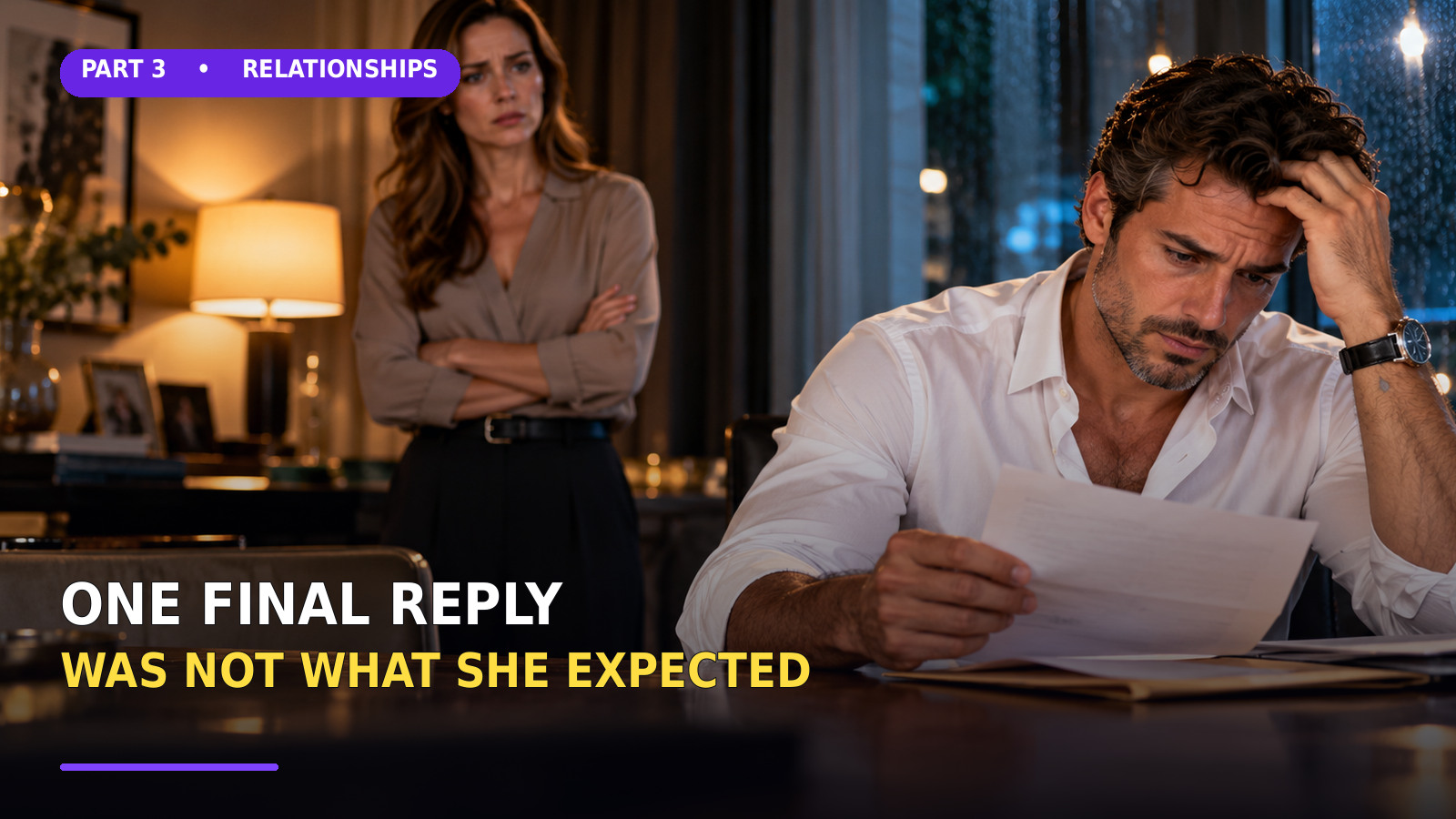
A few days later Natalie sent Thomas a message that began, I have been thinking about the email I sent you. He opened it with the same quick heartbeat he remembered from the first Monday. She said she regretted the coldness of the delivery, even though she still believed separation was the right decision. She had been afraid a conversation would trap them in another endless argument, so she chose paperwork as a shield. Thomas answered that he understood the fear but hoped they could continue treating each other with more care than that. It was not a romantic reunion. It was an apology received without requiring a new promise.
They attended a parenting session recommended by a family support service. The facilitator encouraged them to distinguish ordinary disagreements from issues that needed a formal decision. They practiced using practical language about schedules instead of revisiting old grievances. Thomas found it strange to learn communication skills after marriage had begun to end, but the effort helped. Their relationship as spouses was changing; their responsibilities as parents remained. He could not control how Natalie felt, and she could not control his. Both could control whether they used Mia as a messenger, whether they kept commitments, and how they responded when a plan failed.
On the anniversary of that first email, Thomas happened to be cleaning his inbox. He found the original attachment and the reply he had sent thirteen hours later. Reading it again, he noticed how carefully he had avoided insults despite feeling furious. He had not been noble that morning. He had been confused and frightened. But choosing not to send the first angry draft gave him room to ask a better question. What does our daughter need? He had asked it partly because he did not know what else to do. Over time it became the center of how they organized their new family structure.
Mia's latest concert took place in a small hall with uncomfortable chairs and unreliable heating. Thomas arrived with a scarf. Natalie brought a thermos. They talked briefly about school and a weekend trip Mia wanted to take with friends. During the performance, Thomas watched his daughter breathe through a difficult passage and recover from a missed note with calm determination. He felt proud of the musician she was becoming and grateful that she could make mistakes without believing the whole room would fall apart. When she finished, the applause seemed to belong to every ordinary day that had brought her there.
Thomas never learned whether a different reply could have saved the marriage, and he stopped treating that as the question that mattered. Their story had no sudden villain, secret fortune, or courtroom reversal. It had two adults who had hurt each other, a child who noticed more than they realized, and a choice about what kind of people they would be after the separation. The email at 8:03 had felt like the end of everything familiar. It was an ending, but not the one he first imagined. He still made breakfast for Mia, still attended her music, and still learned new things about himself. He had not replied quickly. He had replied in a way he could live with.