
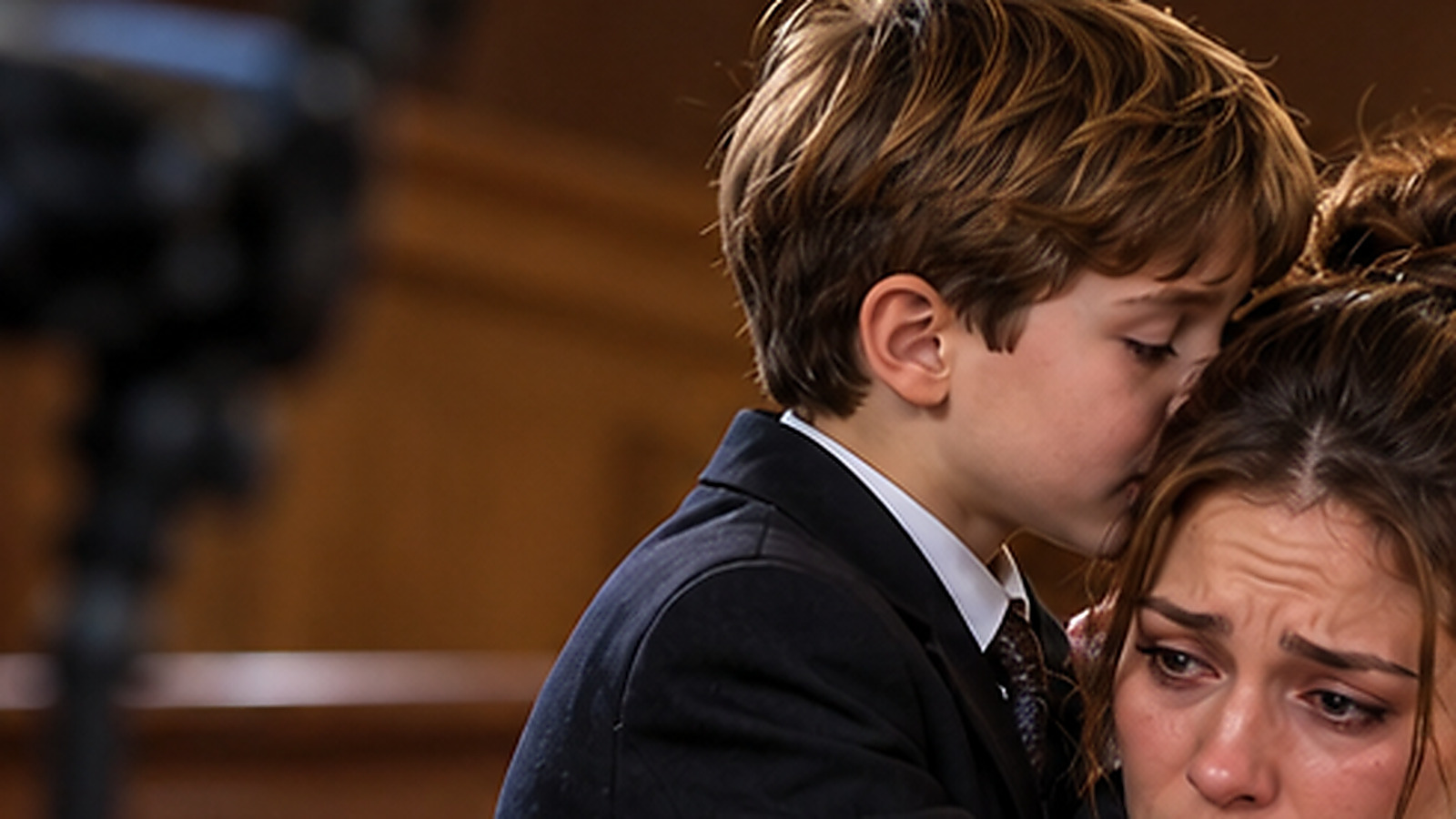
PART THREE — THE NAME ON THE REPORT
Several weeks passed before authorities confirmed that the navigation instrument had been located in storage at a commercial restoration facility. The museum issued a statement saying that evidence did not support the allegation against Marcus and that its procedures were being reviewed. It did not announce an elaborate conspiracy or promise that every unanswered question had been resolved. The independent audit identified inadequate contractor controls, weak preservation practices, and a dangerously narrow interpretation of access logs. Authorities considered whether further action was warranted. Marcus was relieved by the public correction, though he wished the original accusation had been made with the same caution.
The museum's board invited him to return. Marcus asked for time before answering. Being invited back did not automatically repair what had happened. He had lost income, spent money on legal advice, and become a recognizable face in stories written by strangers. He wanted clear changes to policy: no public implication of wrongdoing before reasonable review, documentation of contractor movement, preservation of original security data, and a route for employees to raise concerns without risking retaliation. His attorney helped put the requests in writing. A few board members thought the list demanding. Others admitted that the institution had depended for years on staff diligence while investing too little in reliable systems.
Leah encouraged her father to speak about the notebook at a community safety meeting. Marcus initially refused. He had no desire to become a symbol of either victimhood or heroism. But a young security officer at a nearby gallery approached him and said he had started keeping clearer shift notes after hearing what happened. That conversation changed Marcus's mind. At the meeting he explained that good records are precise and factual: times, places, observable actions, and handovers. They are not diaries for blaming coworkers. He urged employers to train staff well and preserve digital evidence rather than assuming one machine-generated report must tell the entire truth.
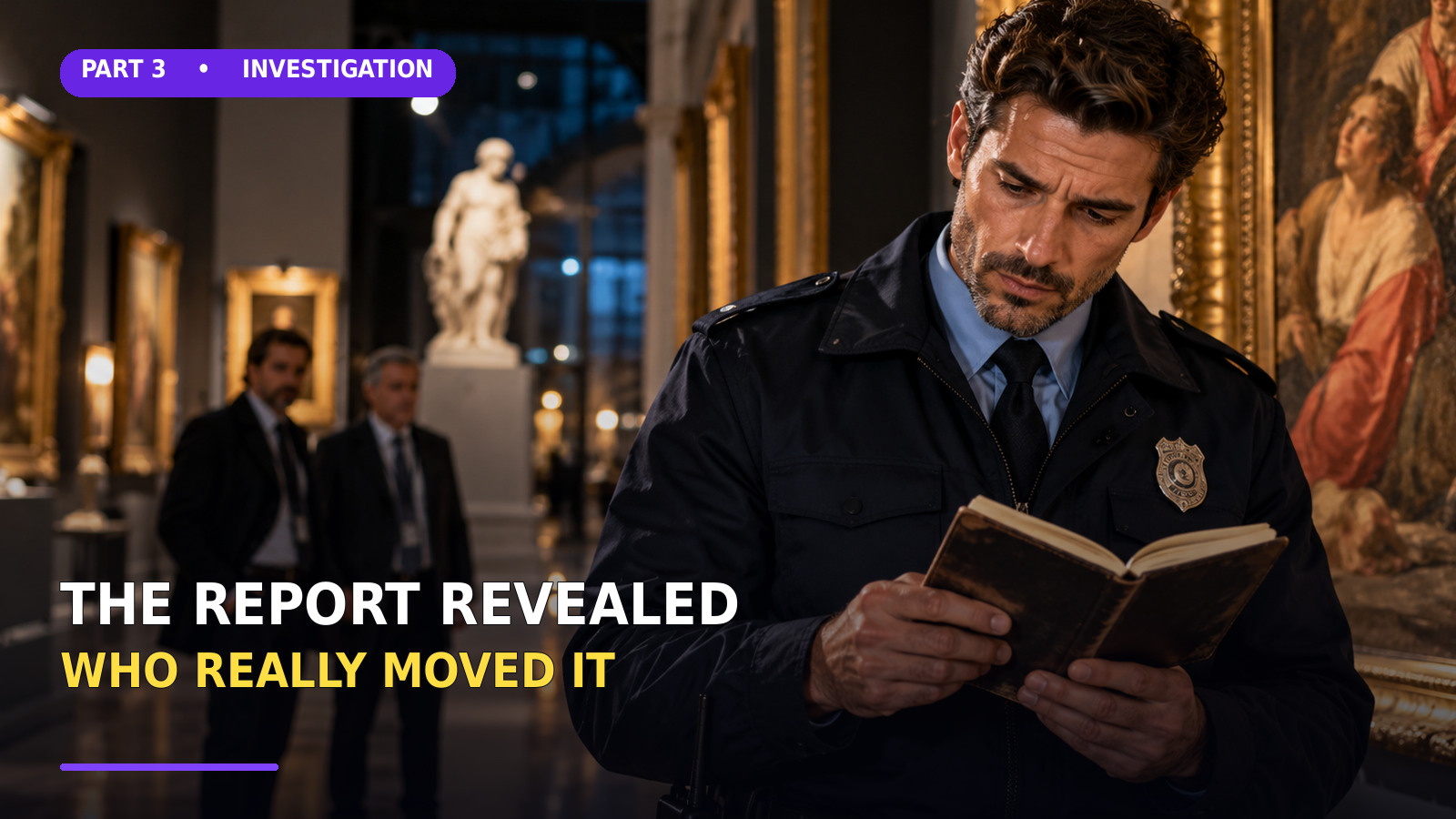
When the museum reopened the Hall of Voyages after its review, the recovered navigation instrument sat behind new glass. Beside it was a description of how navigators once relied on multiple observations to estimate their position at sea. Marcus found the parallel almost funny. A crew that trusted only one reading could be sent far off course. Institutions, he thought, could make the same mistake about people. He did not ask the museum to add that lesson to the label. It belonged in the conversations the scandal had forced them to have, not in a permanent exhibit about an object older than anyone alive.
One evening, Vale contacted Marcus through an intermediary and asked to speak. Priya advised him to consider the purpose carefully. Marcus decided he did not need a private conversation to find peace. If Vale had relevant information about the investigation, the proper authorities were available. If the trustee wanted forgiveness, Marcus could decide privately what that meant without attending a meeting arranged around someone else's comfort. It was an unfamiliar boundary for a man accustomed to smoothing every conflict. Leah smiled when he told her. She said it was the first decision he had made entirely for himself since the accusation began.
Marcus eventually accepted a different position: head of visitor safety at a regional history center. The new job involved training staff, reviewing emergency plans, and making exhibitions accessible during busy school visits. His former museum offered him a reference after settling the employment issue, but he wanted a fresh beginning. On his first week he introduced a simple rule. Every incident report would be read alongside supporting context, not treated as a verdict. Workers could ask for corrections, and managers had to document their decisions. The policy looked modest on paper. To Marcus, it meant the difference between a system that listened and one that merely recorded.
Months later Leah visited him during an evening event. She watched her father help a family find an accessible route to a gallery and then bend down to explain a model lighthouse to a little boy. He was the same person he had always been: patient, observant, occasionally dryly funny. The scandal had not given him a new personality. It had made his daughter notice how much quiet work had been invisible to other people. After the visitors left, she asked whether he still kept the notebook. Marcus opened a drawer and showed her a new one, its pages neatly dated. The first entry recorded a door latch that sometimes failed to catch.
The old notebook now sat at home, no longer evidence in a pending review. Marcus had considered framing the page that helped redirect the investigation, then rejected the idea. He did not want his home decorated with the worst week of his career. Instead, he kept the book beside his work certificates as a reminder that attention matters, especially when a convenient conclusion is being offered. He had once thought being trustworthy meant doing a good job quietly and hoping people noticed. Now he understood it also meant building processes that gave people a fair chance to be heard. His name had been cleared. The deeper victory was that he no longer needed to ask anyone to take his word alone.