

PART THREE — WHAT MONEY CANNOT REPAY
The repayment plan took months, not days. Ryan sold a company vehicle, negotiated with creditors, and took on additional contract work. Some of the money returned quickly; some remained uncertain. Nathan learned to separate an apology from a result. He could acknowledge that his brother regretted what he had done while still insisting that the commitments be met. Ryan, for his part, discovered that restoring trust was mostly an unglamorous sequence of accurate statements, missed leisure plans, and calls he would once have avoided. Nobody applauded him for doing what should have been done at the beginning.
Harold returned home with a walking frame, a new medication schedule, and a stubborn determination to make his own breakfast. Nathan arranged support according to professional recommendations, checking each service rather than assuming one person could manage everything. He kept the care plan visible on the refrigerator, with contact numbers in large print. Their father sometimes found the attention exhausting. He reminded his sons that needing assistance did not make him a child. Both learned to ask before taking over tasks he could still do. Protecting someone from financial harm, Nathan realized, also meant preserving that person's dignity and voice.
At family gatherings the awkwardness lingered. An aunt who knew only fragments suggested that Nathan had overreacted and that brothers should keep disagreements private. Nathan resisted the urge to deliver a speech at the dinner table. He said calmly that the matter had affected their father's care and was being handled through appropriate channels. Privacy did not require silence about unsafe decisions, and loyalty did not mean accepting another person's version of events without records. The conversation moved on. Later, Harold thanked him for protecting the boundary without turning a family meal into a public trial.
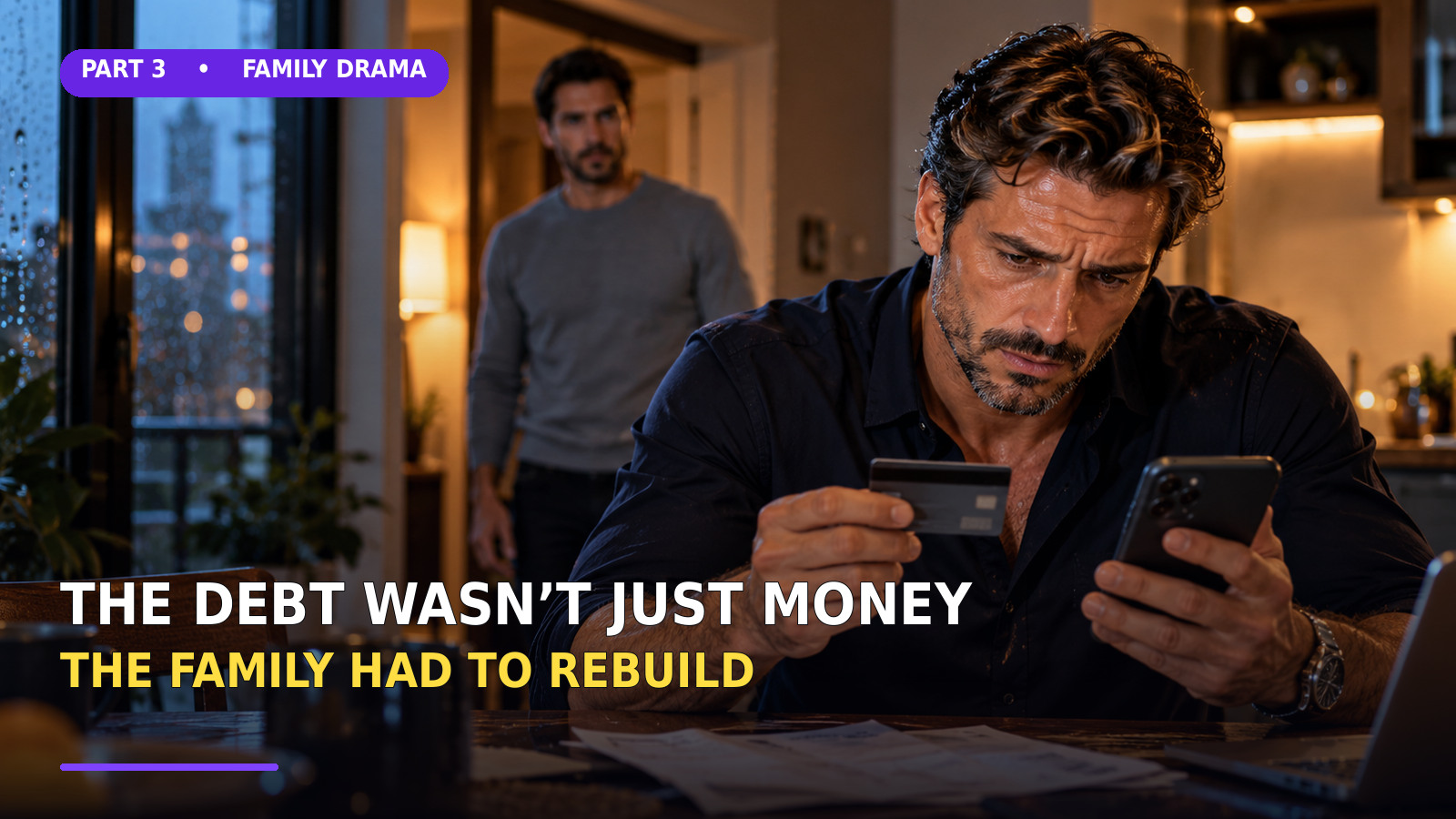
Nathan and Ryan began meeting once a month with a clear agenda. They discussed invoices, care needs, and repayment progress, and they kept notes that both could read. At first their conversations sounded more like business meetings than brothers catching up. Eventually they found small spaces for ordinary life. Ryan asked about Nathan's ambulance shifts. Nathan asked whether Ryan's daughter still played football. The questions did not mean everything was forgiven. They meant the relationship was larger than the dispute, even though the dispute had changed its terms. A fragile connection was better than pretending nothing had happened.
On a wet afternoon, Harold asked Nathan to drive him to the workshop he had once owned. The new tenant had kept the sign above the entrance and welcomed them inside. Harold walked slowly between shelves of tools, touching a workbench polished by decades of use. He told Nathan a story about a customer who once refused to pay for a repair and then returned years later to apologize. The apology mattered, Harold said, but the repair bill had still needed paying. Nathan laughed at the familiar practical wisdom. His father could forgive someone without pretending a debt had disappeared. The distinction felt important.
A few weeks later Ryan visited the workshop too. He brought a folder showing the latest repayment and asked Harold to review it directly. Their father checked the figures and told him he appreciated the honesty. He did not offer a dramatic embrace or declare the past forgotten. Instead he asked whether Ryan wanted tea. It was a small invitation, but Ryan accepted as though it mattered. Nathan watched them from the doorway and felt both relief and grief. He missed the simpler version of his family, the one he had imagined existed before he looked closely at the statements. Yet he also knew that honesty, even painful honesty, made real care possible.
The account alert that started everything remained saved in Nathan's records. At first he had opened it repeatedly, rehearsing the anger of that morning. Eventually he stopped. The important documents were the new care agreements, current statements, and a list of people empowered to help Harold make decisions. Nathan had learned that financial transparency was not an insult to family trust; it was one of the ways to protect it. He also learned to ask for help before exhaustion made agreement easier than attention. None of those lessons required him to stop loving his brother.
The most meaningful ending came without an audience. One evening Harold asked both sons to join him for dinner. The food was simple, the conversation occasionally clumsy. Ryan talked about work, Nathan described a rescue dog he had met during a shift, and Harold complained about the weather. When Nathan got up to wash dishes, his father touched his arm. Thank you for making sure I could come home, he said. Nathan had spent months thinking the story was about a missing balance on a bank screen. In that moment he understood the account's real purpose. The money mattered because the person it was meant to care for mattered more.