Part 3 — The Truth That Changed Everything
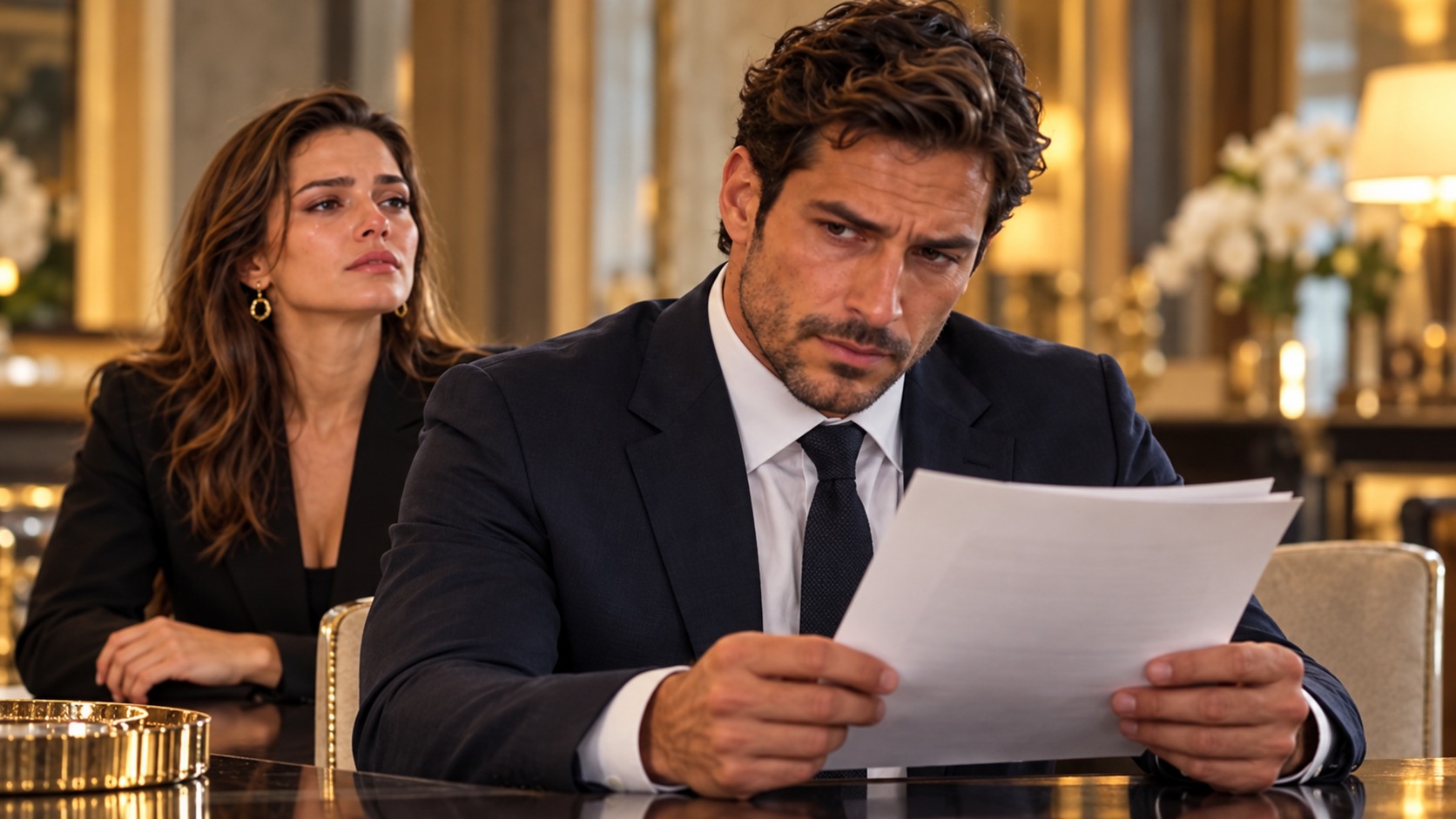
Daniel Kessler stood inside the café, staring at the green metal tin as though it contained something far more dangerous than old paperwork.
For six years, I had imagined confronting him.
I thought I would shout.
I thought I might even hate him enough to forget everything I had learned about controlling my anger.
Instead, I felt strangely calm.
“You knew,” I said.
Daniel adjusted his coat.
“I don’t know what you’re talking about.”
“You knew Thomas kept copies of the safety reports.”
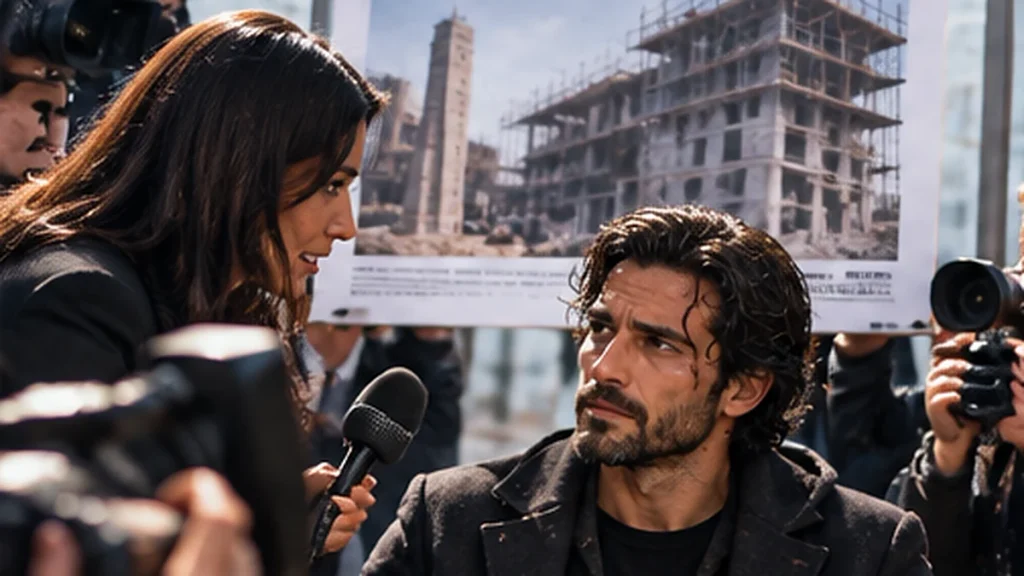
Nora stepped forward.
“My father died because those repairs were never completed. Is that what you’re trying to hide?”
Daniel looked toward the door.
“Miss Ellis, this conversation is becoming inappropriate.”
“Then answer the question.”
He sighed.
“Construction projects are complicated. Sometimes decisions have to be made quickly.”
“Five people died,” Nora replied.
His expression hardened.
“Don’t lecture me about something you don’t understand.”
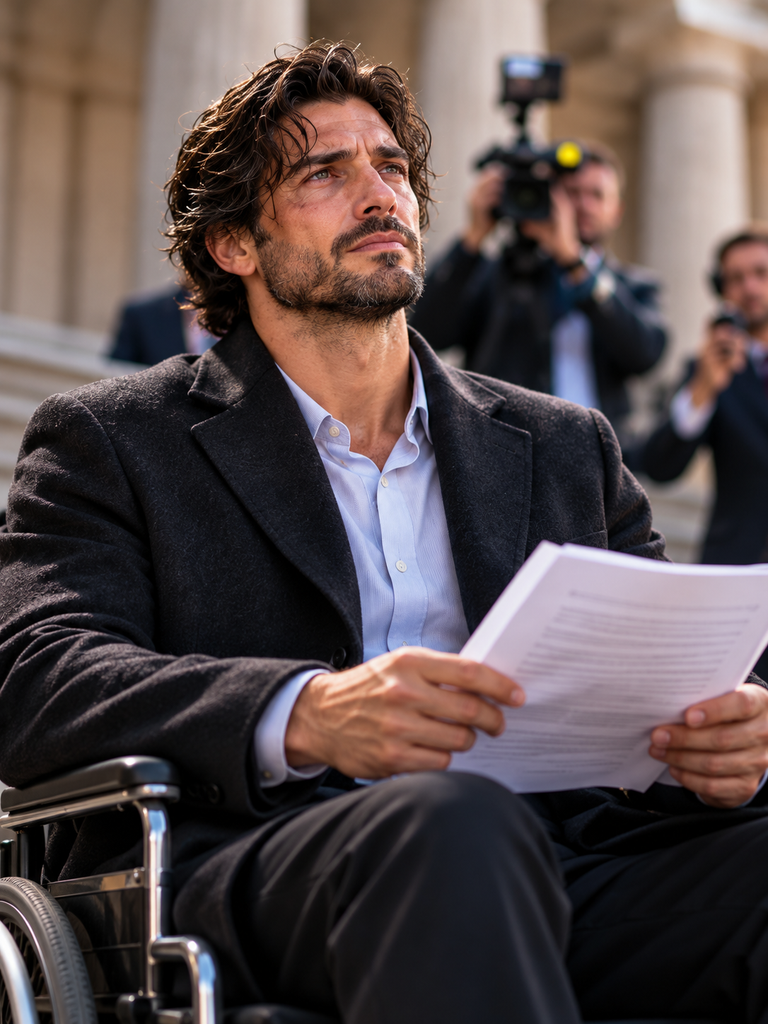
I rolled my wheelchair closer.
“She understands perfectly. She’s the daughter of one of the men who never came home.”
Daniel finally looked directly at me.
“You should have stayed away, Adrian.”
“Why?”
“Because you had a chance to rebuild your life.”
I almost laughed.
“My career disappeared. I spent months in rehabilitation. The entire city believed I was responsible for those deaths.”
“You were responsible for the engineering.”
“And you were responsible for approving the repairs.”
His jaw tightened.
“You can’t prove anything.”
Nora quietly placed her phone faceup on the counter.
Its voice recorder was running.
Daniel hadn’t noticed.
I looked toward the signed document.
“Tell me something, Daniel. Did you ever intend to repair those emergency exits?”
He said nothing.
“Or was postponing the work always cheaper?”
Daniel took a step toward me.
“Do you have any idea how much money we stood to lose if that building closed?”
The words hung in the air.
Nora’s face changed.
“So you knew people were working inside an unsafe building?”
Daniel looked at her.
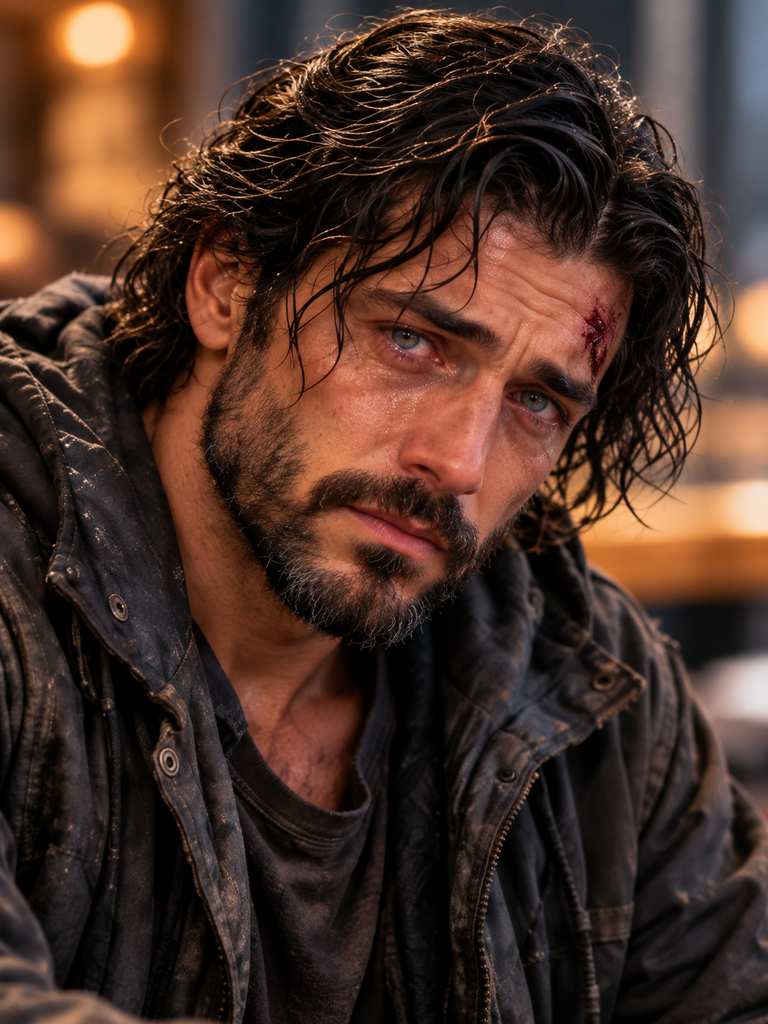
For the first time, he seemed to understand what he had admitted.
“This conversation is over.”
He turned toward his companions.
“Let’s go.”
But Nora spoke before he reached the door.
“My father trusted you.”
Daniel stopped.
“He worked weekends. He missed birthdays. He came home exhausted because he believed he was helping build something worthwhile.”
Her voice broke.
“And you treated his life like an expense.”
Daniel offered no answer.
He walked out.
Through the café window, we watched him climb into a black luxury car.
Then Nora picked up her phone.
“Did you get it?” I asked.
She nodded.
“Every word.”
That recording alone would not be enough to prove everything. We needed the documents authenticated, the timeline checked, and investigators willing to examine what had been ignored.
But for the first time, we had something the company could not simply explain away.
We had evidence pointing to the truth.
That night, Nora contacted a local investigative journalist named Amara Singh.
Amara arrived before sunrise with a photographer and a retired building inspector who had agreed to review the records.
They spent hours examining maintenance logs, purchase orders, signatures, and old correspondence.
By midday, Amara had contacted two former North Pier employees.
One confirmed that the emergency repairs had been postponed.
The other agreed to provide copies of emails he had kept after leaving the company.
On Thursday morning, the first article appeared.
NEW DOCUMENTS RAISE QUESTIONS ABOUT NORTH PIER FIRE INVESTIGATION.
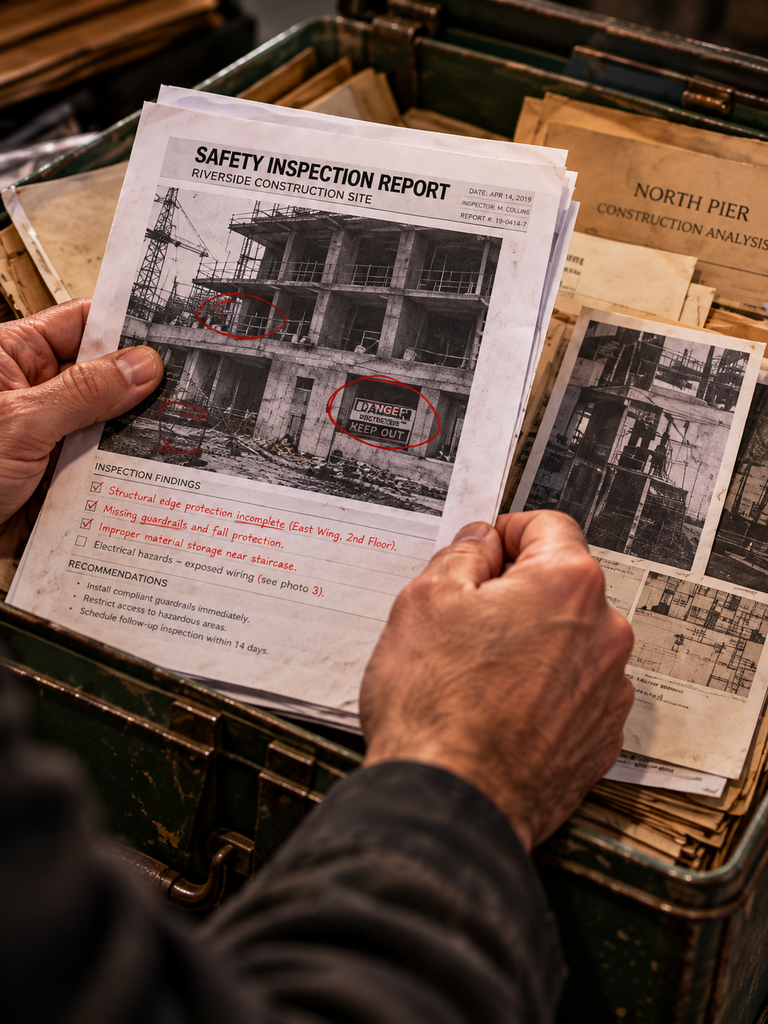
By evening, the story had spread across the city.
The municipal authorities announced that the demolition permit for Mariner’s Row was being suspended pending further review.
An independent investigation was opened into the original fire and the documents used to assign responsibility.
Daniel Kessler’s company issued a statement denying wrongdoing.
But this time, people were asking questions instead of simply accepting the answers.
Three months passed.
Investigators examined the original reports, recovered company emails, and compared the signatures and approval records.
The independent review confirmed that my warnings had been submitted before the fire and that the official records had misrepresented my approval.
The findings publicly cleared me of the accusation that I had ignored the known safety defects.
Further legal proceedings against those responsible were still ongoing.
It wasn’t a perfect ending.
The people who died were still gone.
My injuries had not disappeared.
And Nora would never get her father back.
But the lie that had followed us for six years was finally being challenged by the truth.
The day the findings were released, I returned to The Blue Lantern.
Nora was standing behind the counter when I entered.
She came around and hugged me.
Neither of us spoke for a long time.
Then she pulled away and smiled through her tears.
“Dad would have been happy.”
I looked toward his photograph on the wall.
“I wish I could have saved him.”
Nora shook her head.
“You tried. He knew that.”
Six months after our first meeting, the café was still open.
The demolition plan had been abandoned, and the neighborhood had successfully petitioned for stronger protections for its historic buildings.
Nora used a community fundraising campaign to establish a small meal program for people who needed help.
There were no speeches about generosity.
No cameras.
Just hot food, a warm place to sit, and somebody willing to listen.
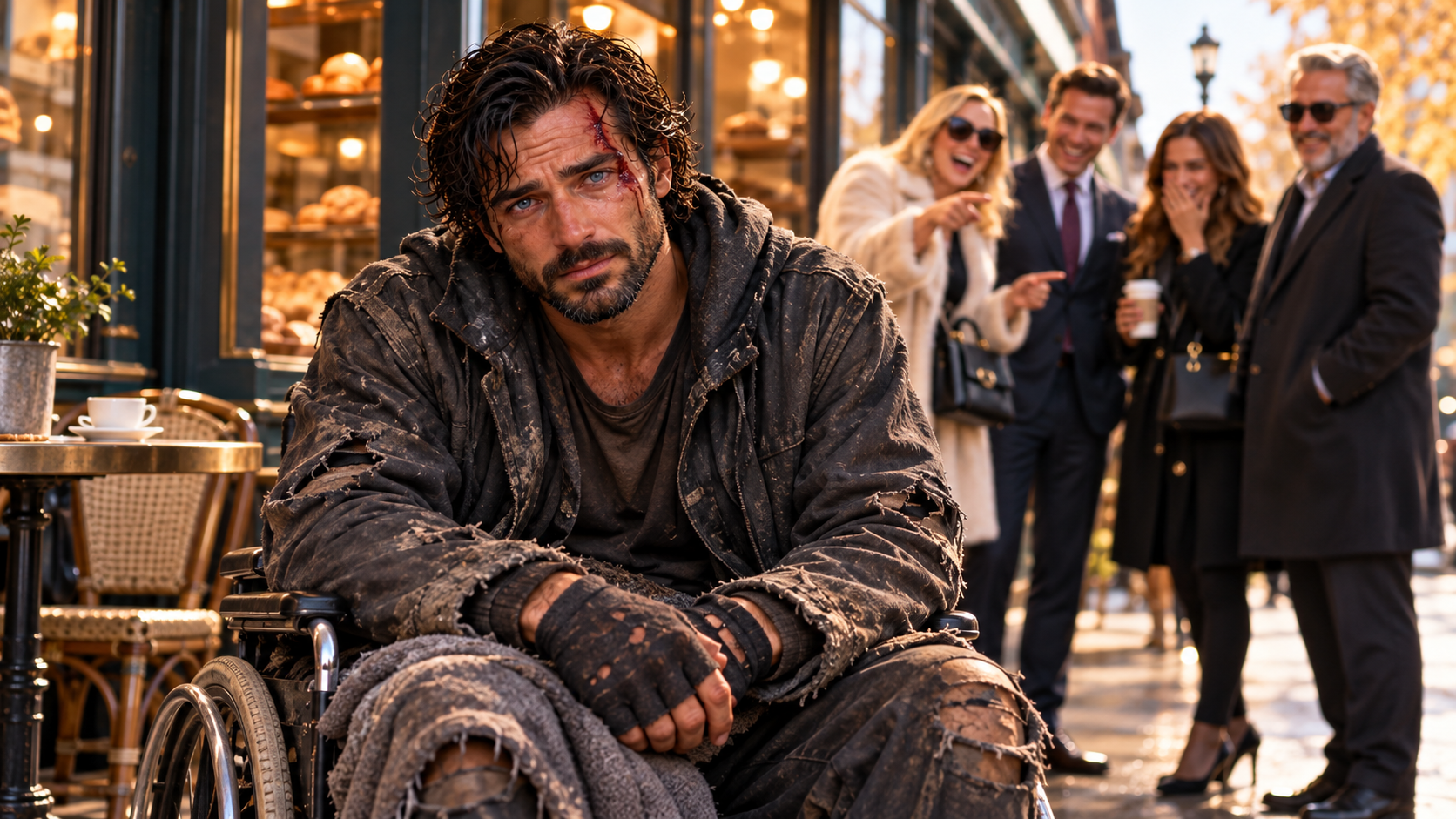
One afternoon, as I sat outside the café drinking coffee, I recognized the woman in the cream coat.
The same woman who had laughed at my appearance on the day I arrived.
She recognized me too.
Her smile disappeared.
“Mr. Mercer,” she said nervously. “I saw the news.”
I nodded.
“I’m glad things worked out for you.”
“Thank you.”
She looked down at my wheelchair.
“I hope you weren’t offended by what happened that day.”
I studied her face.
“Do you remember what you said?”
She hesitated.
“Not exactly.”
“I do.”
Her cheeks reddened.
“I’m sorry.”
I believed she meant it.
But I also wondered how many people had heard similar remarks from her without ever receiving an apology.
Nora appeared at the café entrance.
“Adrian, your lunch is getting cold!”
I smiled and turned toward her.
“Coming.”
As I rolled back inside, I thought about everything that had happened.
For years, I’d wanted the world to recognize that I wasn’t the man described in those headlines.
I wanted my reputation restored.
I wanted the truth.
And yes, I wanted the people responsible to answer for what they had done.
But the moment that changed my life hadn’t happened in a courtroom or a newspaper office.
It happened outside a small café on a rainy afternoon.
A stranger had seen me injured, exhausted, and sitting alone while others laughed.
She didn’t know about my career.
She didn’t know the accusations against me.
She didn’t know that I might help uncover the truth about her father’s death.
She simply offered me coffee, food, and a little dignity.
I looked at Nora as she placed my plate on the table.
“You know something?” I said.
“What?”
“You could have walked past me that day.”
She smiled.
“I could have.”
“Why didn’t you?”
She considered the question for a moment.
“Because you looked like you needed somebody.”
I looked around the little café, filled with ordinary people carrying their own troubles and stories.
Then I looked at the photograph of Thomas Ellis.
I couldn’t change what happened to him.
But I could spend the rest of my life honoring the courage he’d shown.
And Nora had reminded me where that began.
Sometimes the smallest act of kindness doesn’t just change someone’s day. It gives them the courage to change the rest of their life.
The End.